



Plasticizers play a critical role in wire and cable formulations, directly influencing flexibility, electrical performance, temperature resistance, and long-term durability. Choosing the right plasticizer depends on key factors such as temperature rating, regulatory requirements, and processing conditions. In this article, we provide a practical guide to matching different plasticizers with specific application needs.
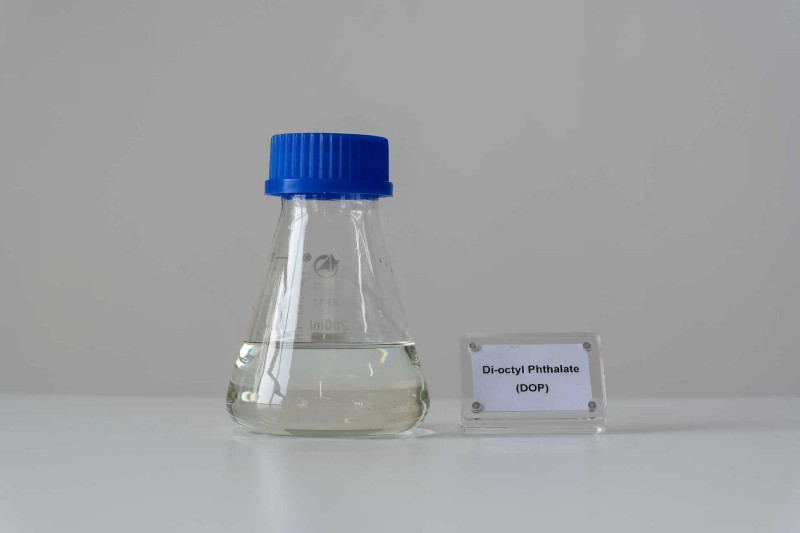
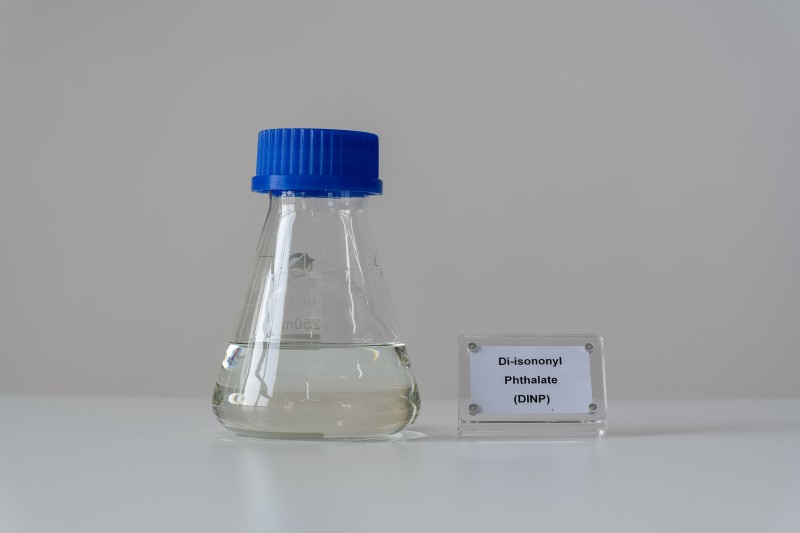
For standard applications without strict environmental requirements, DOP and DINP remain the most widely used options. These phthalate-based plasticizers offer a well-balanced combination of performance and cost efficiency. DOP is known for its excellent plasticizing efficiency and competitive pricing, while DINP, as a C9 plasticizer, provides lower volatility with slightly reduced efficiency, typically requiring a higher dosage. Both plasticizers are highly compatible with low-priced additives such as CPW, EFAME, and lead stabilizers, making them ideal for manufacturers focused on cost optimization.
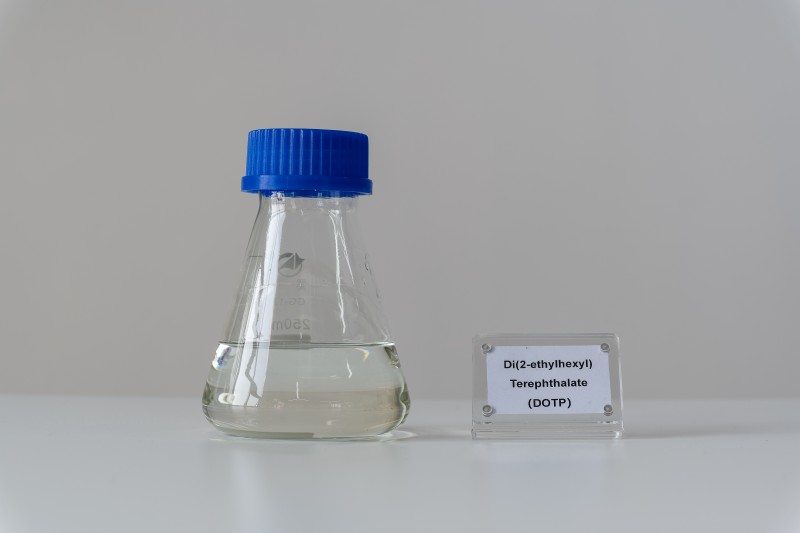
For phthalate-free requirements, especially in the EU and US markets, DOTP is the most common choice. It offers relatively high plasticizing efficiency among non-phthalate options, along with superior electrical insulation and improved heat resistance. DOTP is typically used in cables rated up to 70–80℃. However, it requires Ca-Zn stabilizers instead of traditional low-cost systems, which increases formulation cost. Even so, DOTP remains one of the most practical solutions for meeting environmental compliance.
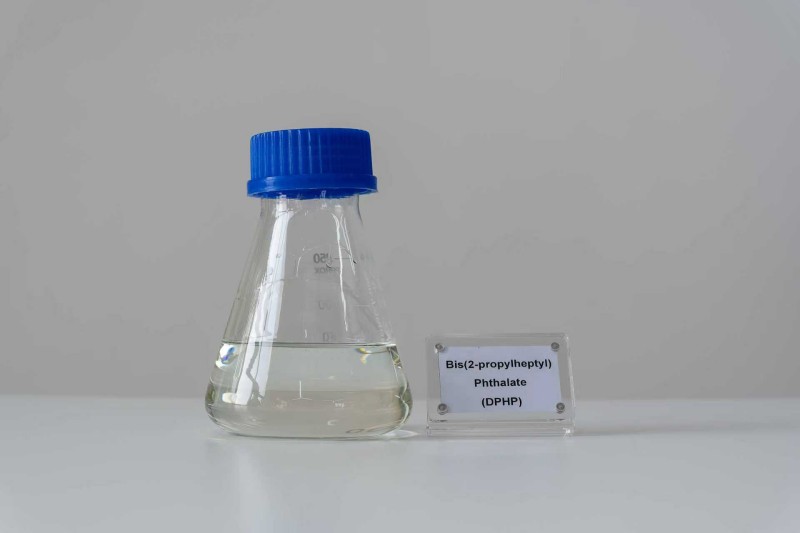
When higher heat resistance and durability are required, DPHP becomes a strong option. As a C10 plasticizer, it provides very low volatility, excellent migration resistance, and improved long-term stability (80-90℃) compared to general-purpose plasticizers. Despite this, it is also a competitive alternative to DIDP, offering comparable electric insulation property, heat resistance, anti-fogging property, and low volatility, but with lower cost.
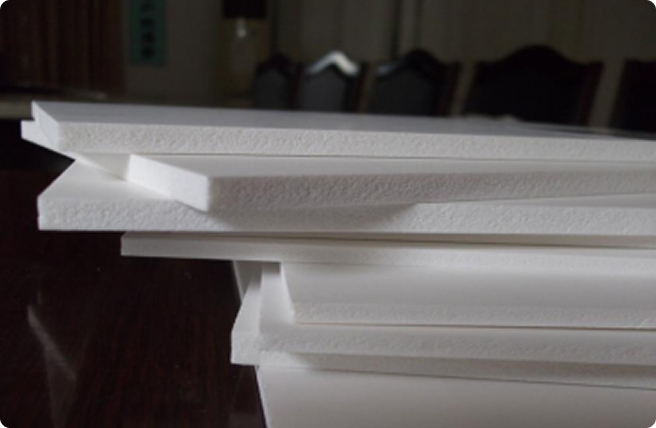
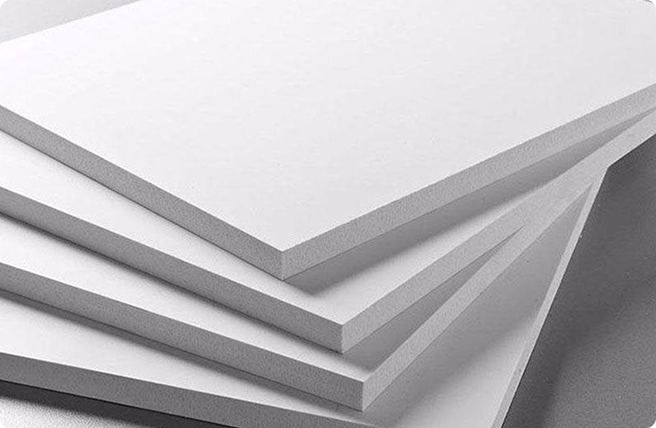
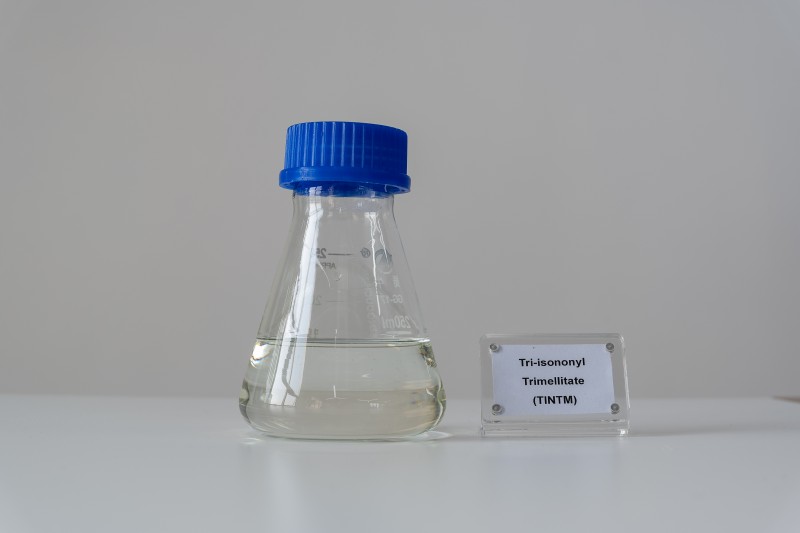
For high-temperature and phthalate-free applications, TOTM and TINTM are preferred. These plasticizers are designed for high-temperature conditions (up to 105℃), offering excellent thermal stability, low volatility, and strong resistance to migration. Their performance makes them particularly suitable for outdoor cables and long-life applications.
In contrast, for low-temperature environments, DOA is widely used due to its excellent flexibility at -30℃ to -40℃. It is typically combined with primary plasticizers like DOP or DBP to improve overall formulation performance. DOA also provides good processing stability and minimal color change under heat, making it a valuable auxiliary plasticizer.
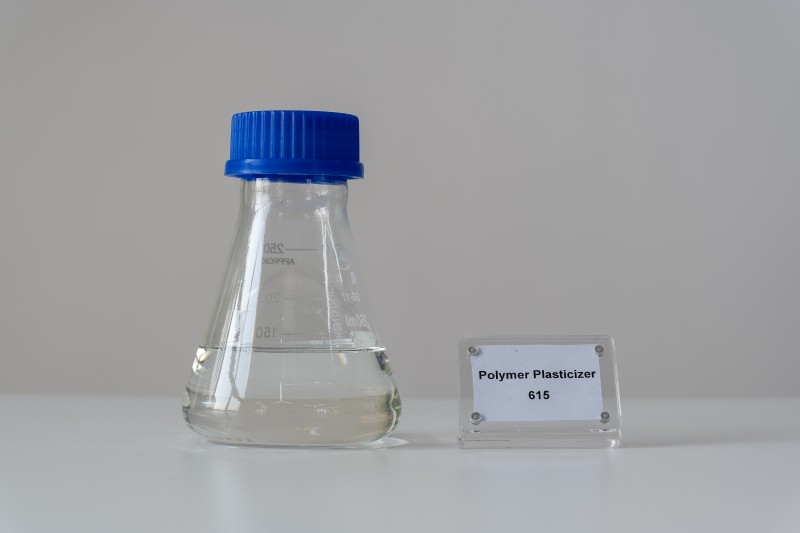
For high-performance applications, polymeric plasticizers such as 615 and 640 offer enhanced durability. 615 is especially effective in resisting migration (including against ABS and PS), as well as oil and solvent extraction. 640, on the other hand, provides high plasticizing efficiency and processability comparable to DOP. Both are phthalate-free and benzene-free, and have proven to be reliable alternatives during supply shortages of traditional plasticizers.
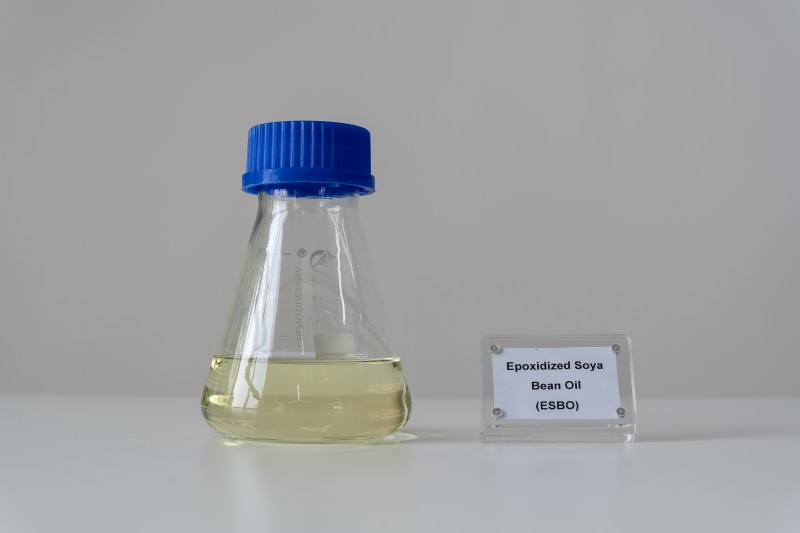
Finally, ESBO (Epoxidized Soybean Oil) is commonly used as an auxiliary plasticizer and heat stabilizer. Thanks to its low cost, non-toxicity, and multifunctional properties, it helps manufacturers optimize formulations and reduce overall production costs.

Previous:
None

Next:
None
Finding the Right Solution for Your Industry
Contact us today to learn more about our solutions that are designed to drive your success
Other Product Recommendation